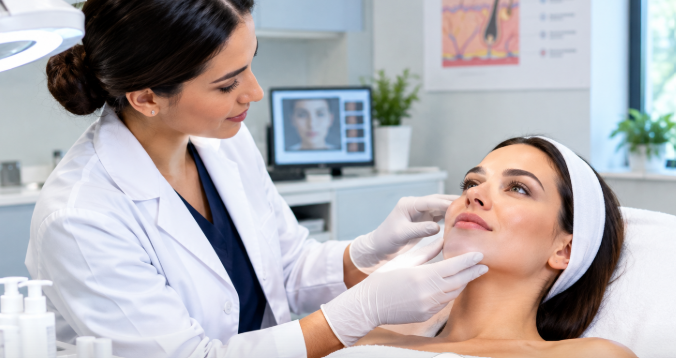
Complete Guide to Private Skin Treatment, Dermatology and Minor Skin Surgery in Maidenhead
Your skin can change for many reasons throughout life. Moles, lumps, cysts, skin tags, unusual marks, and other skin concerns are common, but knowing when to seek professional advice is important. A proper assessment can help identify the nature of a skin concern and determine whether treatment or further investigation may be appropriate.
For people looking for professional skin care services, a Skin Surgery Clinic Maidenhead can provide access to assessment and suitable minor skin procedures. At Private Medical Service, patients can discuss their individual concerns and understand the options available for their skin.
What Is Dermatology?
Dermatology is the medical speciality focused on diagnosing and managing conditions affecting the skin, hair and nails. Dermatological care can involve different approaches depending on the patient’s symptoms and diagnosis, including medicines, procedures and surgery.
Skin concerns can range from common conditions such as acne and eczema to individual lesions, moles, cysts and other growths. Because different skin conditions can look similar, professional assessment can be useful before deciding on treatment.
Why Professional Assessment Matters:
It can be tempting to search online and try to identify a skin growth yourself. However, appearance alone cannot always establish what a lesion is.
A clinician may examine the affected area, ask about changes and symptoms, and decide whether further assessment is required. For a suspicious lesion, specialist examination and appropriate testing may be recommended.
Skin Surgery Clinic Maidenhead:
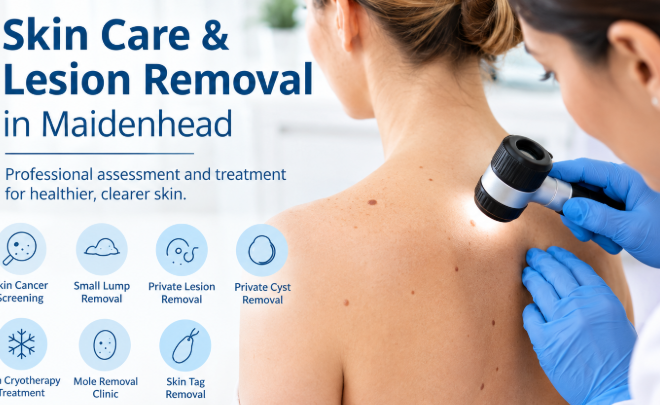
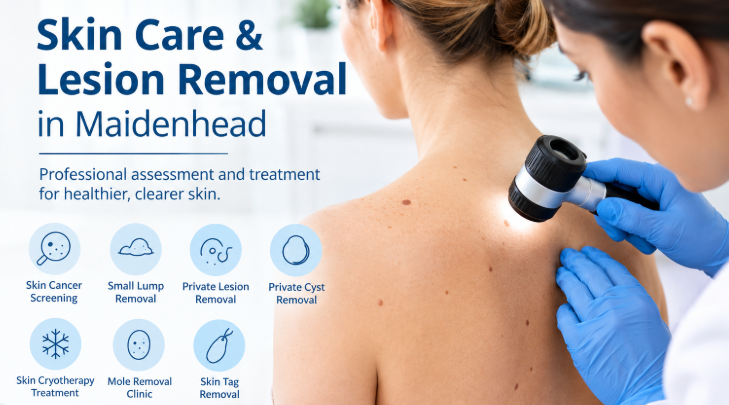
A Skin Surgery Clinic Maidenhead can be an option for people who require assessment or treatment of selected skin lesions. Depending on the diagnosis and individual circumstances, skin surgery may involve removing a lesion or taking a sample for laboratory examination.
An excision biopsy involves removing a skin lesion, usually together with a small amount of surrounding skin, so that the tissue can be examined. Local anaesthetic is commonly used for this type of procedure.
The exact procedure depends on the type, size and location of the lesion. A clinician should explain the proposed treatment, expected recovery and potential risks before proceeding.
When Might Skin Surgery Be Considered?
Skin surgery can have both diagnostic and treatment purposes. For example, a lesion may need to be removed so that it can be examined under laboratory conditions. Surgery is also an important treatment for several types of skin cancer when clinically appropriate.
Not every skin growth needs to be removed. A professional assessment helps determine whether removal is suitable and which approach may be appropriate.
Skin Treatment Clinic Maidenhead:
A Skin Treatment Clinic Maidenhead can provide a convenient setting for discussing a range of skin concerns. Treatment should always be based on an appropriate assessment rather than simply the appearance of a lesion.
Depending on the condition, management may include monitoring, topical treatments, minor procedures, or referral to another specialist service.
Common Skin Concerns:
People may seek professional advice about:
- Moles and unusual skin marks
- Small lumps and bumps
- Cysts
- Skin tags
- Warts and other growths
- Persistent or changing lesions
- Certain inflammatory skin conditions
- Lesions requiring further investigation
The appropriate treatment varies from person to person. A clinician can discuss the available options and explain whether a procedure is appropriate.
Private Dermatology Clinic Maidenhead:
A Private Dermatology Clinic Maidenhead may be suitable for individuals who want to discuss a skin concern with a private medical provider.
Specialist dermatology services can involve assessment, diagnosis, treatment planning and, where appropriate, procedures. NHS England guidance highlights the importance of ensuring patients with skin conditions reach the appropriate specialist or treatment pathway according to their clinical needs.
Private care may also allow patients to discuss their concerns directly with a clinician and understand the next steps recommended for their particular situation.
What Happens During a Skin Consultation?
A consultation generally begins with a discussion about the skin concern. The clinician may ask when it first appeared, whether it has changed and whether there are symptoms such as itching, pain, bleeding or crusting.
The area can then be examined. Depending on the findings, the clinician may recommend observation, treatment, removal, testing or further specialist assessment.
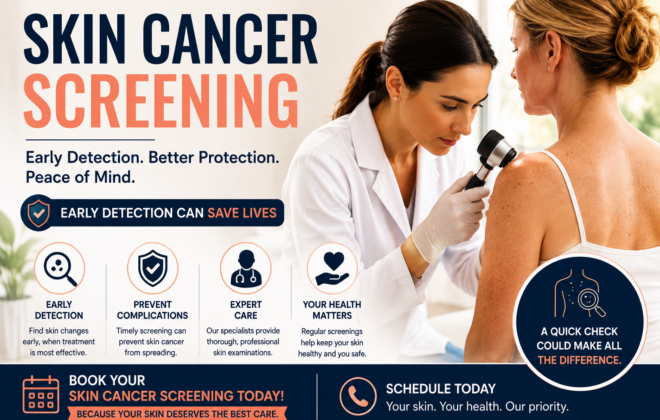
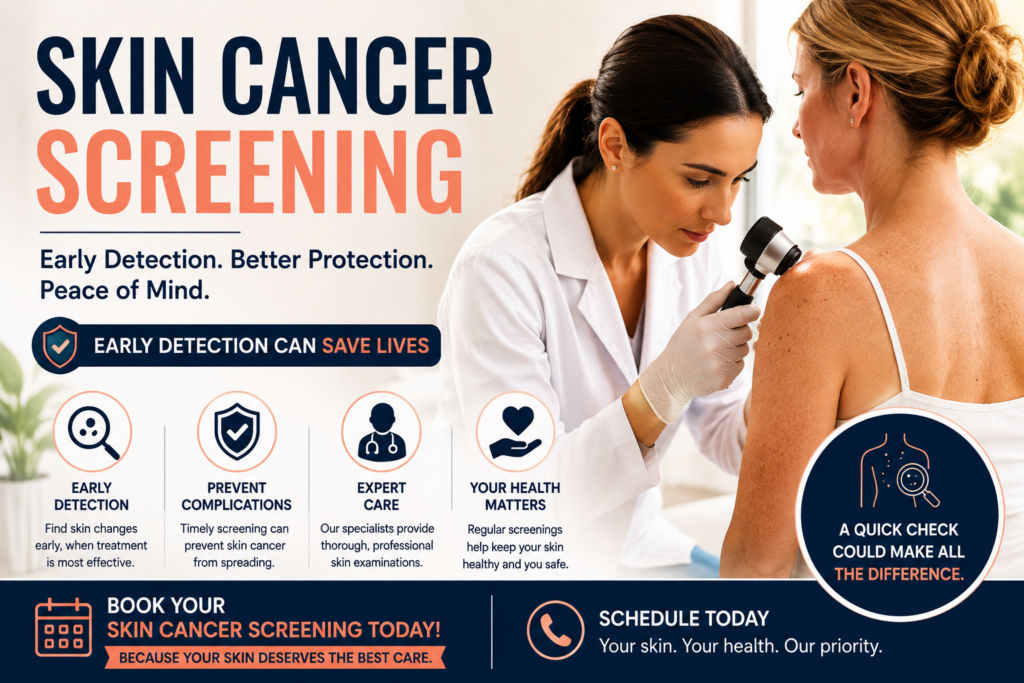
For changing moles or unusual marks, medical assessment is particularly important. NHS guidance recommends seeking medical advice when a mole changes in size, shape or colour, or becomes painful, itchy, inflamed, bleeding or crusty.
Recognising Changes in Your Skin:
Being familiar with your own skin can make it easier to notice changes. Pay attention to new marks and existing moles that look different from before.
You should seek medical advice if you notice a skin growth that is getting larger or changing colour or texture, or an area that persistently hurts, itches, bleeds, crusts or scabs.
Early assessment does not mean that a lesion is cancerous. Many skin concerns are harmless, but getting an unusual or changing lesion checked can help ensure that the appropriate next step is taken.
Frequently Asked Questions:
What does a skin surgery clinic do?
A skin surgery clinic can assess suitable skin lesions and perform selected minor surgical procedures when clinically appropriate. Some procedures may also involve removing tissue for laboratory examination.
Should every mole be removed?
No. Most moles are harmless and do not require removal. However, a mole that changes in size, shape or colour, or becomes painful, itchy, inflamed, bleeding or crusty should be assessed by a healthcare professional.
What is the difference between dermatology and skin surgery?
Dermatology covers the diagnosis and management of skin conditions, while skin surgery refers specifically to procedures used to remove or investigate certain skin lesions. Depending on the condition, dermatology care may involve both medical and surgical treatment.
Can a skin lesion be tested after removal?
Yes. When clinically indicated, removed tissue can be sent to a laboratory for examination. An excision biopsy is one method used to investigate a suspicious lesion.
When should I seek advice about a skin lesion?
Seek professional advice if a lesion is new, changing, bleeding, painful, itchy, crusting or otherwise unusual. Persistent or changing skin growths should not be self-diagnosed.
Is private dermatology suitable for everyone?
The appropriate type of care depends on the individual’s condition and clinical needs. During a consultation, a healthcare professional can determine whether private assessment, treatment, further investigation or referral is appropriate.
Conclusion:
Taking notice of changes in your skin is an important part of maintaining good skin health. While many moles, lumps and other skin growths are harmless, unusual or changing lesions should be professionally assessed rather than diagnosed or removed at home.
Private Medical Service can help patients understand their skin concerns and discuss appropriate assessment and treatment options. Whether you are searching for a Skin Surgery Clinic Maidenhead, Skin Treatment Clinic Maidenhead, or Private Dermatology Clinic Maidenhead, professional advice can help you understand the next steps for your individual skin concern.
If you notice a new or changing skin lesion, particularly one that bleeds, crusts, hurts or changes in appearance, seek medical advice promptly.